
Top rate service. Called at 2am after losing my bag with my house keys inside. Locksmith arrived within 30 minutes. A real lifesaver...


What Is Non-Destructive Entry? Why Rochdale Locksmiths Shouldn’t Reach for the Drill First
If you are locked out of your home or business, you might assume that calling a locksmith will inevitably mean drilling out the lock and fitting a replacement. In many situations, however, this shouldn't be necessary.
A skilled locksmith will often attempt non-destructive entry (NDE) first. This involves using professional locksmithing techniques to open a locked door without unnecessarily damaging the lock, door, frame or surrounding hardware.
Unfortunately, not every locksmith has the training, experience, patience or specialist tools required to carry out non-destructive entry effectively. This can sometimes result in a perfectly serviceable lock being drilled and replaced when another method of entry may have been possible.
What Does Non-Destructive Entry Mean?
Non-destructive entry is a general term used within the locksmith industry for methods of gaining authorised access to a locked property without causing unnecessary damage.
Depending on the type of door and locking system, a professional locksmith may have several legitimate methods available. These can include conventional lock picking, specialist locksmith tools and other techniques appropriate to the particular lock and door.
The objective is straightforward: open the door while preserving as much of the existing hardware as reasonably possible.
If successful, the customer may be able to continue using the existing lock once the door has been opened. This can reduce the cost of replacement parts and avoid unnecessary damage to the door.
Why Is Non-Destructive Entry Important?
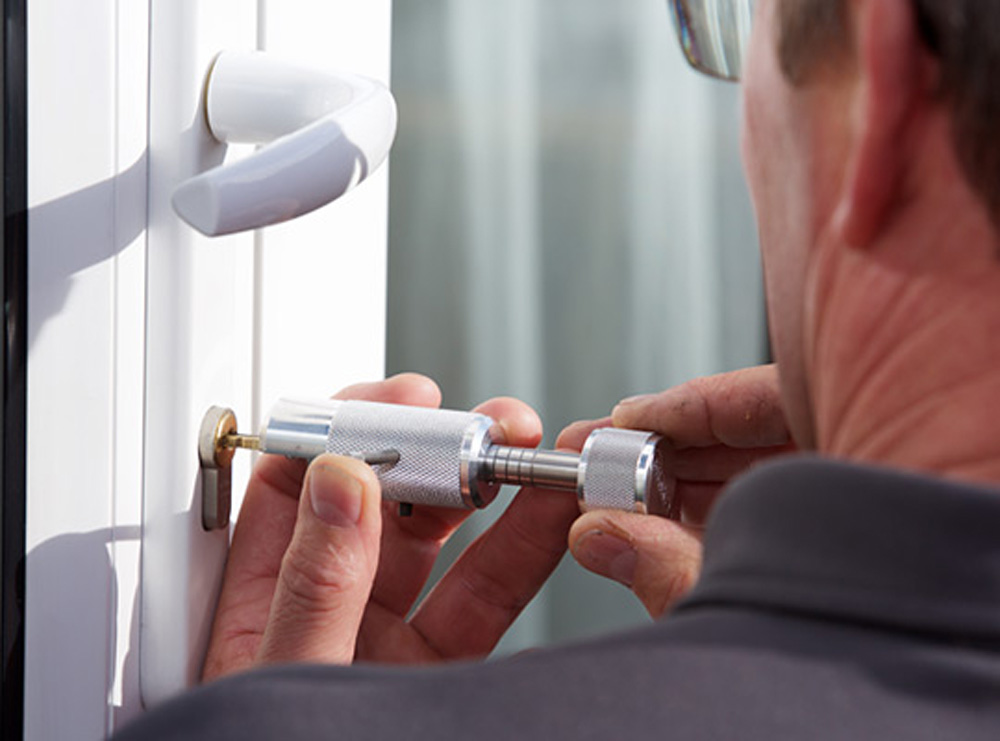
Being locked out is already inconvenient. Having to pay for a new lock when the existing one didn't actually need replacing can make the situation considerably more expensive.
Non-destructive entry can offer several advantages:
-
Less damage – the lock, door and surrounding fittings can often remain intact.
-
Lower overall cost – there may be no need to purchase a replacement lock.
-
Faster resolution in suitable cases – an experienced locksmith may be able to identify and use an appropriate opening technique quickly.
-
Better security continuity – if the existing lock remains functional, there is no need to replace it purely because it was destroyed during entry.
-
A more professional approach – it demonstrates that the locksmith has considered less destructive options before resorting to drilling.
However, non-destructive entry isn't guaranteed. Some high-security locks, damaged mechanisms, failed multipoint systems and certain lockout situations may ultimately require destructive entry.
The important distinction is whether drilling is necessary, rather than simply convenient.
Why Do Some Locksmiths Immediately Drill the Lock?
There are several possible reasons.
One is a lack of training or practical experience. Lock picking and other non-destructive techniques are skills that require considerable practice. A locksmith who has limited experience with these techniques may be much more confident using a drill.
Another factor is equipment. Professional locksmiths can invest heavily in specialist tools designed for different locks and locking systems. Someone operating with a basic tool kit may have fewer options available when confronted with an unfamiliar lock.
Time can also play a part. Drilling can sometimes provide a predictable route into a property. A locksmith working on a high-volume basis may therefore decide that destroying and replacing a lock is quicker than spending time attempting a non-destructive opening.
There can also be a commercial incentive. If the original lock is destroyed, the customer usually needs to purchase a replacement as well as paying for the call-out and labour. That doesn't mean that drilling itself is evidence of dishonest behaviour—sometimes it genuinely is required—but customers should be wary when destructive entry appears to be the first and only option offered without explanation.
Should a Locksmith Always Try Picking the Lock First?
Not necessarily.
A good locksmith isn't simply someone who spends 30 minutes trying to pick every lock before eventually reaching for a drill. Professional locksmithing is about assessing the situation and selecting an appropriate technique.
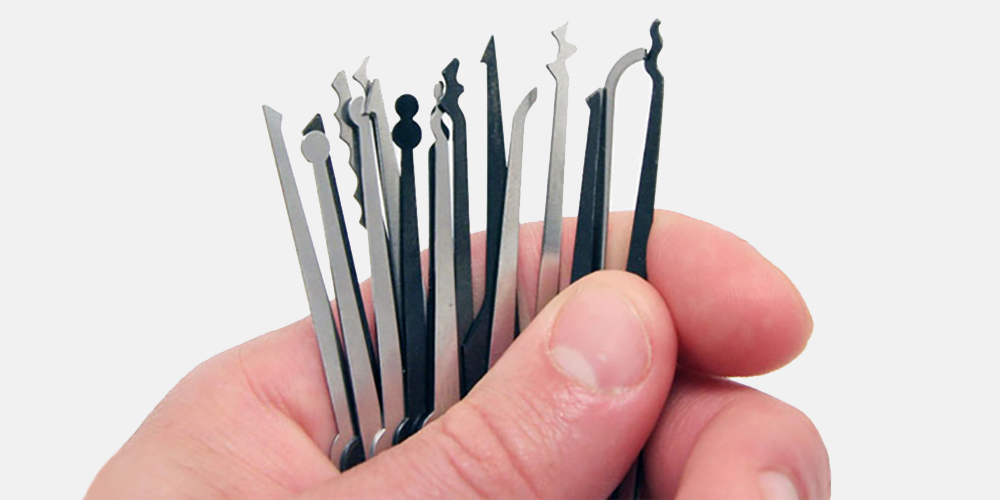
The locksmith should consider factors such as the type of lock, its condition, the door construction, whether the mechanism has failed and the reason the customer cannot gain entry.
For example, there is an important difference between a customer who has simply left their keys inside and a door where the internal locking mechanism has physically broken.
In the first situation, a non-destructive method may be highly appropriate. In the second, opening the door without replacing or repairing components may not be possible.
When Is Drilling a Lock Justified?
Drilling isn't inherently bad locksmithing. It is a recognised method of gaining entry when used appropriately.
A locksmith may recommend destructive entry when the lock or mechanism has failed internally, the lock is already damaged, suitable non-destructive techniques have been attempted unsuccessfully, or the particular security system makes another method impractical.
The difference is that drilling should generally be a considered decision rather than an automatic reaction to a locked door.
Where practical, the locksmith should explain why destructive entry is necessary, what will be damaged and what replacement parts will be required before proceeding.
Non-Destructive Entry Requires Training and Experience
Locksmithing is about much more than owning a drill and knowing how to replace a cylinder.
Experienced locksmiths learn how different locking systems operate and develop the ability to diagnose why a door isn't opening. They also invest time in practising specialist entry techniques and learning how to use professional locksmithing equipment correctly.
This becomes particularly important because modern homes can contain a wide range of security products, from traditional mortice locks and night latches to euro cylinders, anti-snap cylinders and multipoint uPVC or composite door mechanisms.
There is no single technique that works for every door.
A locksmith who specialises in non-destructive entry therefore needs both knowledge and a broad range of skills.
Beware of Extremely Cheap Locksmith Call-Out Prices
Price can sometimes provide another warning sign.
Online adverts promising locksmith call-outs for exceptionally low prices may not always represent the final amount the customer will pay. A low headline price can become considerably more expensive once labour, drilling and replacement hardware are added.
Before agreeing to work, ask what the quoted price includes and whether additional charges are likely if the lock needs to be replaced.
A reputable locksmith should normally be willing to explain the likely costs before beginning destructive work.
Questions to Ask Your Locksmith
If you are locked out, there is nothing wrong with asking how the locksmith intends to open the door.
Useful questions include:
“Will you attempt non-destructive entry first?”
“Does this lock definitely need drilling?”
“Why can't the existing lock be opened without damaging it?”
“If you drill it, how much will the replacement lock cost?”
“What will the total price be, including labour and replacement parts?”
A professional locksmith should be comfortable answering reasonable questions about the proposed work.
Choosing a Locksmith Who Prioritises Non-Destructive Entry
When searching for an emergency locksmith, don't base your decision entirely on the cheapest advertised call-out price.
Look for an established local locksmith who clearly states that they use non-destructive entry techniques wherever possible. Professional training, genuine customer reviews, transparent pricing and experience with different types of locks are also useful indicators.
Most importantly, a locksmith should be able to assess the problem rather than automatically assuming that every locked door requires a drill.
The Drill Shouldn't Always Be the First Tool Out of the Van
There will always be situations where drilling and replacing a lock is the safest or most practical solution. Non-destructive entry cannot be guaranteed for every lockout.
However, there is a significant difference between a locksmith who drills a lock because it genuinely needs to be drilled and one who drills it simply because they lack the skills, equipment or willingness to attempt another method.
For customers, the principle is simple: damage should be kept to a minimum wherever reasonably possible.
A professional locksmith should assess the lock, consider suitable non-destructive entry methods and only move to destructive entry when there is a genuine reason to do so.
That approach can save the customer money, protect their existing door and security hardware, and is one of the clearest demonstrations of the skill and professionalism expected from an experienced locksmith.
Our Coverage
Our Services
More Articles
Reviews
Clare Hope
I highly recommend Lock Lord Locksmiths for any locksmith or securty work around the Gtr Manchester area, would'nt call anyone else. 5 Star service
W Allen
I used Locklord after getting locked out last week. Could'nt fault the service, arrived quickly and charged a reasonable price. Highly recommended local locksmith
Trevor Linterman
Really great service, came and sorted out our door lock when it broke. Very reasonable price, would definitely use again.
Tess Renderman
Really helpful, unlocked our door when the lock was stuck and installed a new one
Robert Cowen